 Skip to content
PET vs Glass Cosmetic Bottles Selection Guide
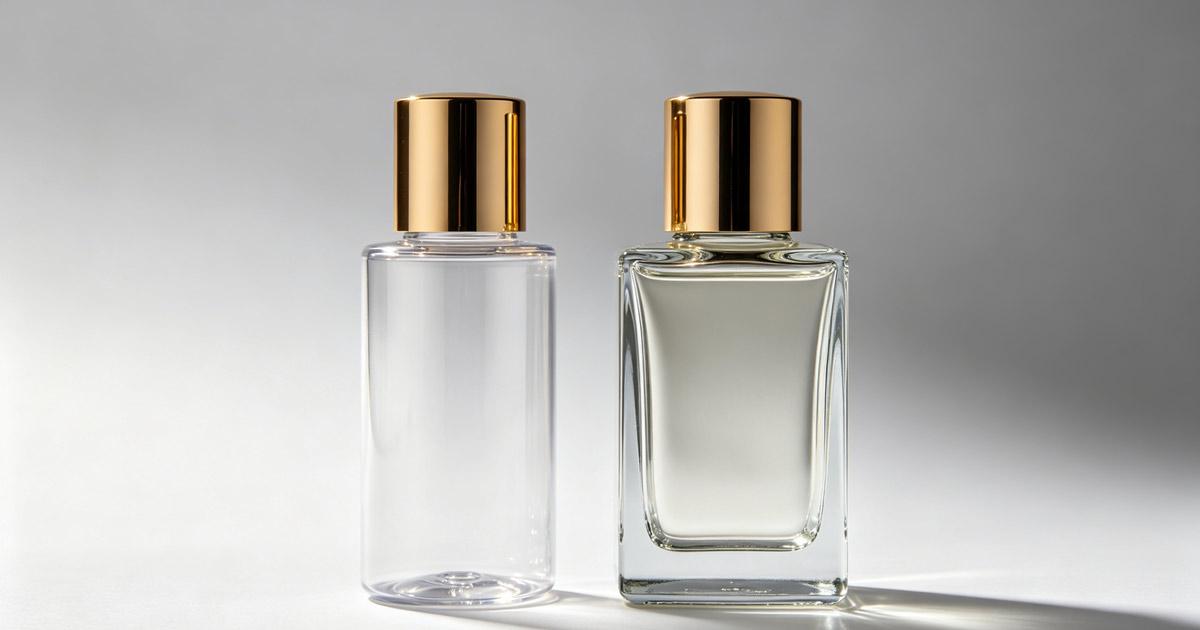
Material choice shapes a cosmetic product’s cost structure, shipping logistics, and consumer perception in distinct ways. Comparing PET vs glass cosmetic bottles helps brands weigh these trade-offs against their specific product and business priorities.
Weight and Shipping Cost Differences
PET is significantly lighter than glass, translating directly into lower shipping costs, particularly meaningful for brands distributing internationally or shipping large volumes. Glass’s added weight increases freight costs and can affect overall product margin, especially for lower-price-point items where shipping cost represents a larger percentage of total product cost.
Breakage Risk and Handling
Glass carries genuine breakage risk during shipping, warehouse handling, and even consumer use, requiring more protective secondary packaging and careful handling throughout the supply chain. PET’s shatter resistance eliminates this concern, simplifying logistics and reducing potential product loss from breakage-related damage.
Consumer Perception and Brand Positioning
Glass carries stronger premium and quality associations in consumer perception, often justifying higher price points and aligning with luxury or high-end skincare positioning. PET, while capable of a polished, quality appearance, generally reads as more accessible or mass-market, though high-quality PET with thoughtful design can still support a range of brand positions.
Chemical Compatibility Considerations
Glass offers essentially complete chemical inertness, meaning no material interaction with formula ingredients regardless of formula composition. PET offers good compatibility with most cosmetic formulas but may show some limitations with specific highly reactive or concentrated active ingredients, worth testing directly for sensitive formulations.
Environmental and Recycling Considerations
Both materials offer good recyclability in regions with appropriate infrastructure, though actual recycling rates and processes differ. Glass recycling infrastructure varies by region, and glass can be recycled repeatedly without quality loss. PET recycling has also expanded significantly, with growing PCR PET availability supporting sustainability-focused packaging choices.
Cost Considerations Beyond Material Price
Beyond raw material cost, brands should factor in the cumulative cost impact of shipping weight, breakage-related losses, and any protective secondary packaging glass might require, since these factors can shift the total cost comparison beyond simple per-unit material pricing.
Making the Right Choice for Your Brand
The decision ultimately depends on target price point, brand positioning goals, shipping and distribution scale, and specific formula compatibility needs. Neither material is universally superior; the right choice depends on which trade-offs align best with a brand’s specific priorities.
Frequently Asked Questions
Is glass always more expensive than PET overall?
Generally, yes, when accounting for both material cost and shipping weight, though the gap varies depending on order volume and shipping distance.
Can PET achieve a premium look similar to glass?
High-quality PET with thoughtful design, finishing, and printing can achieve an attractive, polished appearance, though it typically doesn’t carry quite the same premium perception as glass for most consumers.
Request a Quote
We supply both PET and glass cosmetic bottles, helping brands choose the right material based on their specific product and business needs.
Contact us today to discuss your packaging options.