 Skip to content
API Storage Packaging Solutions
Proper API storage packaging solutions are critical for maintaining drug stability during storage and transportation. Inadequate packaging can lead to API degradation, chemical or microbial contamination, and overall quality loss, which may compromise patient safety and regulatory compliance. Therefore, pharmaceutical manufacturers must carefully evaluate storage packaging options to preserve product potency and efficacy. In addition, effective packaging supports supply chain reliability and reduces the risk of costly recalls or batch failures.
Storage Considerations
Several factors influence the effectiveness of API storage packaging. Temperature, humidity, and light sensitivity are key determinants of API stability. Moreover, some APIs are highly hygroscopic or heat-sensitive, making them especially vulnerable to environmental stress. Selecting packaging materials that mitigate these risks, such as opaque containers for light-sensitive compounds or moisture-resistant liners for hygroscopic APIs, is essential. In addition, proper storage planning ensures that packaging meets the needs of both short-term and long-term storage conditions.
Material Options
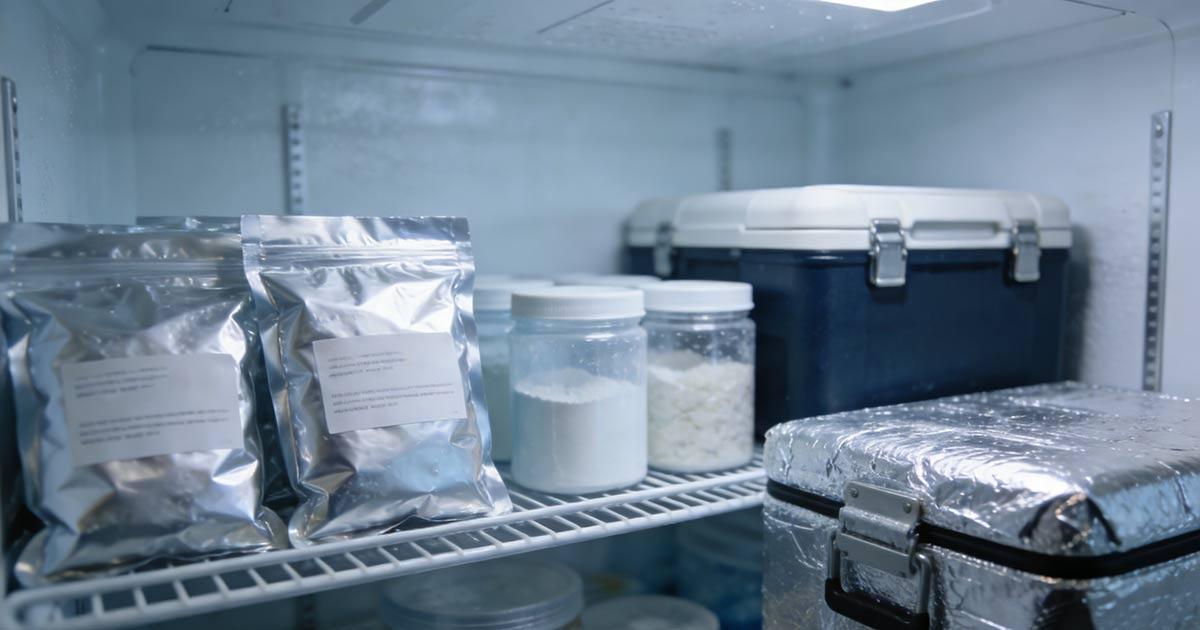
Common API packaging solutions include glass bottles, high-density polyethylene (HDPE) drums, and moisture-resistant bags. Each material is chosen based on API properties, sensitivity, and handling requirements. Glass offers excellent chemical inertness and barrier protection, while HDPE provides durability and resistance to breakage during transport. Moisture-resistant bags are suitable for APIs that require additional protection from humidity. Manufacturers may also combine packaging materials with secondary packaging solutions to further enhance protection and maintain quality during shipping.
Best Practices
Implementing best practices is critical to maintaining API integrity. Climate-controlled storage facilities, continuous monitoring of environmental conditions, and thorough compatibility testing between APIs and packaging materials are essential steps. In addition, rotating stock, using proper labeling, and maintaining clear documentation improve efficiency and traceability. Regular audits and staff training on handling procedures further reduce the risk of accidental exposure or contamination during storage and transport.
Conclusion
Investing in effective API storage packaging solutions protects product quality, ensures regulatory compliance, and maintains customer trust. By carefully selecting appropriate materials, mitigating environmental risks, and implementing best storage practices, pharmaceutical companies can preserve API stability throughout the supply chain. Ultimately, robust storage packaging supports consistent production, safe distribution, and the delivery of high-quality pharmaceutical products to patients worldwide.