 Skip to content
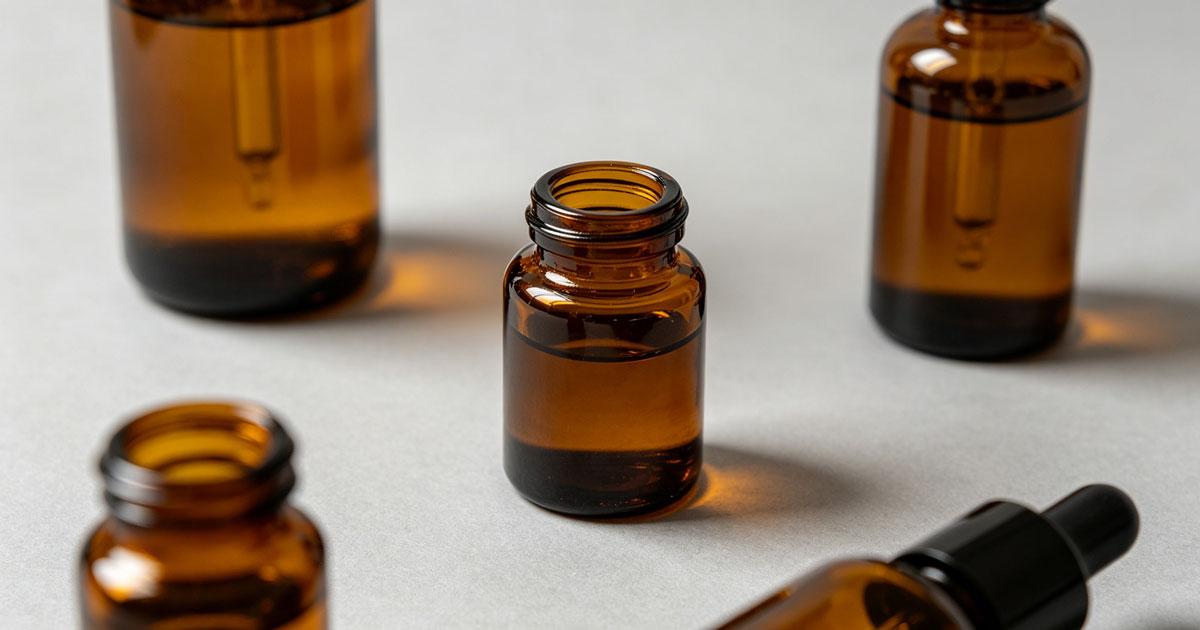
Amber Glass Bottles Manufacturer: UV Protection Packaging for Vitamin C Skincare Products
Vitamin C is among the most effective yet notoriously unstable active ingredients in skincare, degrading quickly when exposed to light, air, or heat. A qualified amber glass bottles manufacturer provides packaging specifically suited to protecting this sensitive, high-value ingredient.
Why Vitamin C Requires Special Packaging Attention
Vitamin C, particularly in its pure ascorbic acid form, oxidizes rapidly upon exposure to light and air, often turning from clear or pale yellow to a darker orange or brown color as it degrades. This color change typically signals reduced potency, meaning a formula that has degraded significantly may no longer deliver its intended skincare benefits, even though it remains cosmetically usable.
How Amber Glass Provides Protection
Amber-tinted glass filters out a significant portion of the ultraviolet and visible light wavelengths responsible for accelerating Vitamin C degradation. Combined with glass’s natural chemical inertness, which prevents any material interaction with the formula itself, amber glass offers one of the more effective packaging solutions available for preserving Vitamin C stability throughout a product’s shelf life.
Combining Amber Glass With Other Protective Measures
Many brands pair amber glass with additional protective features for maximum stability, such as airless pump mechanisms that also limit air exposure during use, or opaque secondary packaging such as boxes for additional light protection during storage and retail display before the product is opened.
Considerations Beyond Light Protection
While amber glass addresses light exposure effectively, Vitamin C formulas still benefit from careful formulation practices, including appropriate pH balancing and stabilizing ingredients, since packaging alone cannot fully compensate for a formula that is inherently unstable at the chemistry level. Brands should work closely with their formulation chemist alongside packaging decisions.
Weight and Handling Considerations
Glass carries more weight than plastic alternatives, which affects shipping costs and requires careful handling to avoid breakage during transport and retail display. Brands should factor these logistics considerations into their overall packaging decision, weighing the protective benefits against increased shipping weight and breakage risk.
Selecting a Reliable Manufacturer
Buyers should confirm a manufacturer’s specific UV transmission data for their amber glass, since tint depth and glass composition can vary between suppliers and affect actual protective performance. Requesting stability testing support or data can help verify real-world protection levels for a specific Vitamin C formula.
Frequently Asked Questions
Does amber glass fully prevent Vitamin C degradation?
It significantly reduces light-related degradation but does not eliminate all factors affecting Vitamin C stability, such as air exposure or formula pH, so it works best alongside good formulation practices.
Is amber glass heavier than amber plastic alternatives?
Yes, glass is generally heavier than plastic, which brands should factor into shipping cost calculations and packaging handling considerations.
Get in Touch
We manufacture amber glass bottles designed to protect Vitamin C and other light-sensitive skincare formulas.
Contact us today to discuss your packaging needs.