 Skip to content
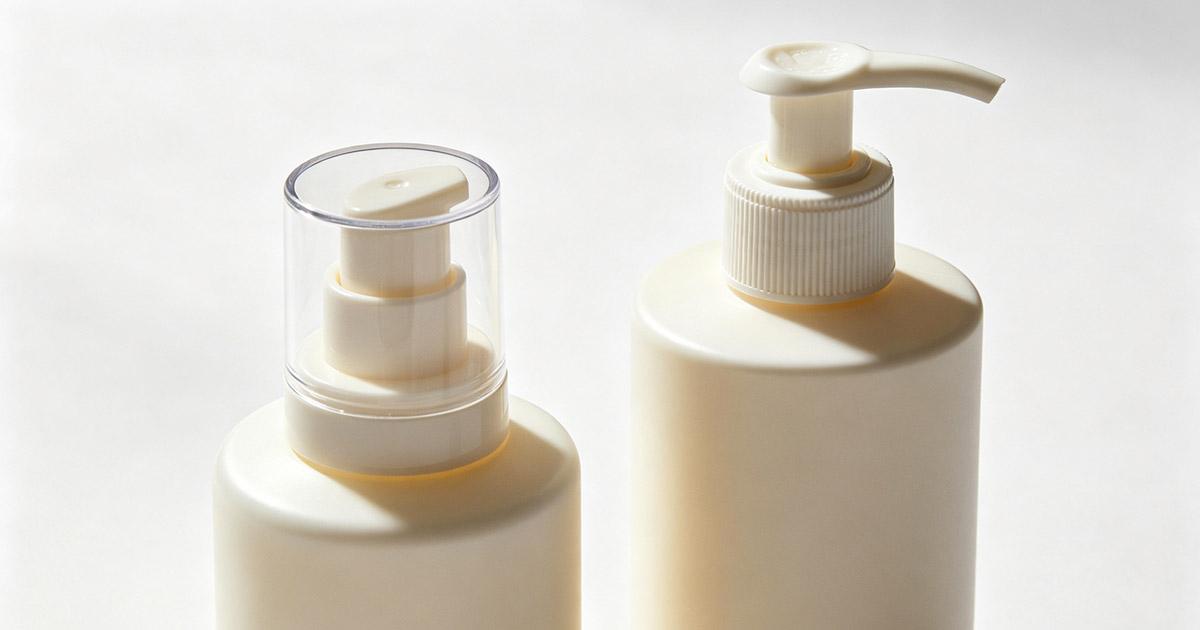
Airless vs Traditional Lotion Bottles: Packaging Selection Guide for Active Ingredients
Choosing between airless and traditional lotion bottles affects formula stability, production cost, and consumer experience in different ways. Comparing airless vs traditional lotion bottles helps brands identify which option best fits their specific formulation and positioning.
How Traditional Pump Bottles Work
Traditional pump bottles use a simple mechanical pump that draws product up through a dip tube each time the pump is pressed. This design is well established, cost-effective to produce, and works reliably across a wide range of formula viscosities. However, air enters the bottle each time it dispenses product, since air must replace the volume of product removed.
How Airless Bottles Address This Limitation
Airless bottles use a vacuum or piston system that eliminates the need for air to enter the container as product is used. This means the remaining formula stays isolated from air exposure throughout the product’s use life. It offers meaningfully better protection for oxygen-sensitive active ingredients compared to traditional pumps.
Formula Considerations Driving the Choice
Formulas containing vitamin C, retinoids, certain peptides, or other actives known for oxygen sensitivity generally benefit more noticeably from airless packaging. Formulas with more stable ingredient profiles, including many basic moisturizers without highly reactive actives, may perform adequately in traditional packaging without a significant difference in shelf performance.
Cost and Production Considerations
Traditional pump bottles generally cost less to produce and involve simpler, more widely available manufacturing processes. Airless bottles require more precise engineering and typically carry a higher unit cost. Brands need to weigh this against their target price point and the actual stability benefit their specific formula requires.
Consumer Experience Differences
Traditional pumps are broadly familiar to consumers and require no adjustment in how they’re used. Airless systems can sometimes require slightly firmer pressing, and some models depress more gradually as product is used. Brands should communicate this clearly if the user experience differs meaningfully from standard pumps.
Making the Right Choice
The decision should start with the formula itself. Brands should consult with their formulation chemist to determine actual sensitivity levels of key active ingredients before committing to either packaging approach, since choosing airless packaging for a formula that doesn’t need it adds cost without meaningful benefit.
Frequently Asked Questions
Is airless packaging always the better choice?
Not necessarily. It offers clear advantages for oxygen-sensitive formulas, but for stable formulations, traditional packaging can perform just as well at a lower cost.
Do consumers notice a difference in dispensing feel between the two?
Some do, particularly with certain airless mechanisms requiring firmer pressing, so testing consumer response during product development can be worthwhile for brands sensitive to this factor.
Contact Our Team
We supply both airless and traditional lotion bottles, with guidance on selecting the right format for your formula.
Contact us today to discuss your packaging needs.