 Skip to content
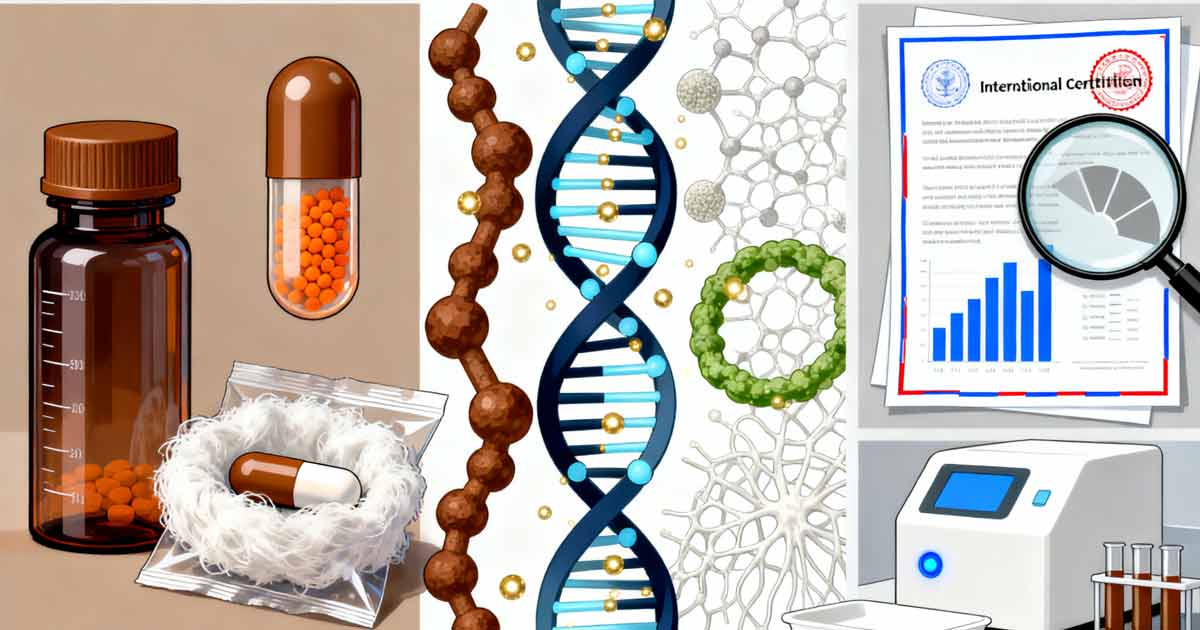
Biodegradable Pharmaceutical Packaging: Material Innovation and Regulatory Challenges
Biodegradable pharmaceutical packaging is rapidly gaining attention as the industry seeks sustainable solutions to reduce plastic waste. These innovative materials help pharmaceutical companies meet environmental goals while maintaining drug safety and stability. By adopting biodegradable pharmaceutical packaging, companies not only minimize ecological impact but also align with growing regulatory and consumer demands for sustainability.
Material Innovations
Modern biodegradable packaging solutions use materials such as PLA (polylactic acid), PHA, and cellulose-based films. These alternatives provide effective barrier protection against moisture, oxygen, and light while naturally decomposing over time. Advances in polymer science and material engineering ensure that drug integrity is maintained throughout storage and transport, making eco-friendly packaging a viable option for tablets, capsules, and liquid formulations.
Regulatory Considerations
Despite its potential, biodegradable pharmaceutical packaging faces regulatory scrutiny. Compliance with FDA and EMA standards requires rigorous testing of biodegradation rates, extractables, leachables, and stability under various environmental conditions. Manufacturers must document performance and safety data to gain approval, ensuring that the packaging meets both sustainability and pharmaceutical quality standards.
Conclusion
Biodegradable pharmaceutical packaging represents a critical step toward greener healthcare. By combining material innovation with regulatory compliance, pharmaceutical companies can reduce environmental impact, satisfy stakeholder expectations, and drive the adoption of sustainable packaging practices globally.